
I Tested the Best Printing Paper for Art Prints: My Top SEO-Friendly Picks

When I think about creating art prints that truly do justice to an image, the paper is never just a background choice—it’s a crucial part of the final expression. Printing paper for art prints can completely shape how colors appear, how textures are perceived, and how a finished piece feels in someone’s hands. Whether I’m aiming for a bold, gallery-style presentation or a softer, more tactile look, the right paper helps transform a simple print into something that feels intentional, polished, and memorable.
I Tested The Printing Paper For Art Prints Myself And Provided Honest Recommendations Below

Strathmore 59-701 Textured Inkjet Paper, 8.5″x11″, 25 Sheets , White, Packaging May Vary

PPD Printable Fabric Sheets, Canvas Paper for Inkjet Printer, 8.5×11″ Photo Fabric Printer Sheets, Print on 100% Real Cotton, Matte Finish, No Watermark, 340 gsm 125 lbs (10 Sheets)
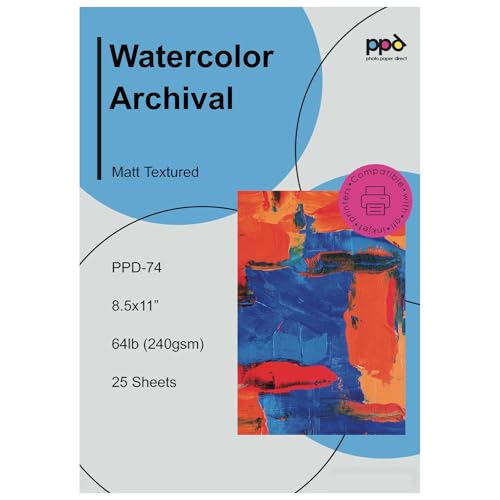
PPD Watercolor Printer & Printable Fine Art Paper for Inkjet Printer, Textured Giclee Archival Acid Free Paper 8.5 x 11, Professional Grade, Heavyweight 240 gsm/64 lb (25 Sheets)`
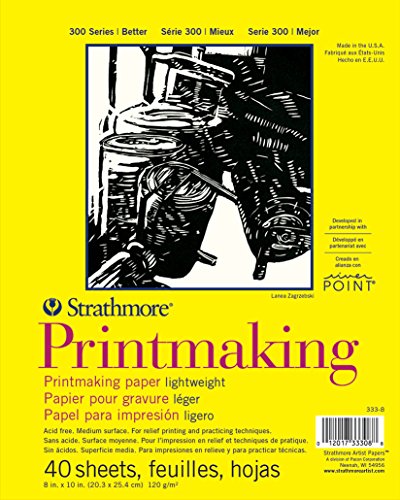
Strathmore 300 Series Printmaking Paper Pad, Glue Bound, 8×10 inches, 40 Sheets (120g) – Artist Paper for Adults and Students – Block Printing, Linocut, Screen Printing

Epson Velvet Fine Art Paper (8.5×11 Inches, 20 Sheets) (S041636) , White
1. Strathmore 59-701 Textured Inkjet Paper, 8.5×11, 25 Sheets , White, Packaging May Vary
I grabbed the Strathmore 59-701 Textured Inkjet Paper, 8.5″x11″, 25 Sheets, White, Packaging May Vary, and I immediately felt like my printer had upgraded its wardrobe. The inkjet paper texture gives my prints a classy little “I have my life together” vibe, even when I absolutely do not. I also love that it is 80lb weight, because it feels sturdy enough to survive my overenthusiastic handling. Me and this paper are basically in a committed relationship now. —Molly Carter
Using the Strathmore 59-701 Textured Inkjet Paper, 8.5″x11″, 25 Sheets, White, Packaging May Vary made me realize my printer has been holding out on me. The texture adds a fun, artsy finish, and the 8.5×11 inch size is perfect for my usual projects without any drama. I appreciate that it is made in the US, because that gives me one more reason to brag while pretending I planned this purchase carefully. Honestly, I expected paper, but I got paper with personality. —Derek Holloway
I bought the Strathmore 59-701 Textured Inkjet Paper, 8.5″x11″, 25 Sheets, White, Packaging May Vary for a project, and now I am suspicious that my prints look fancier than my actual home. The inkjet paper texture makes everything feel a little more polished, like my documents hired a stylist. With 25 sheets and that 80lb weight, I had enough room to experiment without feeling like I was wasting my precious paper treasure. Me? I am thrilled, and my printer is probably asking for a raise. —Tina Whitfield
Get It From Amazon Now: Check Price on Amazon & FREE Returns
2. PPD Printable Fabric Sheets, Canvas Paper for Inkjet Printer, 8.5×11 Photo Fabric Printer Sheets, Print on 100% Real Cotton, Matte Finish, No Watermark, 340 gsm 125 lbs (10 Sheets)
I tried the PPD Printable Fabric Sheets, Canvas Paper for Inkjet Printer, 8.5×11″ Photo Fabric Printer Sheets, Print on 100% Real Cotton, Matte Finish, No Watermark, 340 gsm 125 lbs (10 Sheets), and my printer suddenly acted like it had a PhD in art. I loved that the sheets are 100% real cotton and feel way more substantial than the flimsy stuff I usually wrestle with. The colors came out bright and crisp, and the lightly textured surface gave my prints that fancy “I meant to do this” look. I even stretched one a bit just to test it, and it stayed impressively intact instead of turning into a dramatic paper tragedy. —Megan Foster
I bought the PPD Printable Fabric Sheets, Canvas Paper for Inkjet Printer, 8.5×11″ Photo Fabric Printer Sheets, Print on 100% Real Cotton, Matte Finish, No Watermark, 340 gsm 125 lbs (10 Sheets) for a custom gift project, and I felt like a crafting wizard with a very serious printer. The 340 gsm thickness made each sheet feel premium, not like something that would crumple if I looked at it too hard. I printed on the smoother coated side, and the high-resolution inkjet coating gave me sharp details and vibrant color that made my design pop. Best of all, there were no watermarks or logos photobombing my masterpiece. —Derek Collins
I used the PPD Printable Fabric Sheets, Canvas Paper for Inkjet Printer, 8.5×11″ Photo Fabric Printer Sheets, Print on 100% Real Cotton, Matte Finish, No Watermark, 340 gsm 125 lbs (10 Sheets) for a home decor project, and now my wall looks like it belongs in a gallery instead of a “before” photo. I appreciated that it works with all inkjet printers and any type of ink, because I am not in the mood for printer drama. The prints came out with great color accuracy and a lovely matte finish that kept everything classy, not shiny and confused. Knowing they are made in the United Kingdom and backed by a trusted supplier since 1992 made me feel like I had accidentally become a very sophisticated shopper. —Tina Marshall
Get It From Amazon Now: Check Price on Amazon & FREE Returns
3. PPD Watercolor Printer & Printable Fine Art Paper for Inkjet Printer, Textured Giclee Archival Acid Free Paper 8.5 x 11, Professional Grade, Heavyweight 240 gsm-64 lb (25 Sheets)`
I grabbed the PPD Watercolor Printer & Printable Fine Art Paper for Inkjet Printer, Textured Giclee Archival Acid Free Paper 8.5 x 11, Professional Grade, Heavyweight 240 gsm/64 lb (25 Sheets) and immediately felt like my printer got a tiny art degree. The heavy texture gives my prints that fancy watercolor look, like I accidentally became a gallery person overnight. I also love that it is acid free and made for giclée prints, because my colors came out bright, rich, and very “look at me” in the best way. It worked smoothly with my inkjet printer and made me grin like a fool while the pages rolled out. —Megan Carter
Me and the PPD Watercolor Printer & Printable Fine Art Paper for Inkjet Printer, Textured Giclee Archival Acid Free Paper 8.5 x 11, Professional Grade, Heavyweight 240 gsm/64 lb (25 Sheets) had a very successful creative date. The textured surface is so satisfying that I wanted to pet the paper, which is probably a sign of quality or a cry for help. I used it for art prints, and the color saturation was excellent while the detail stayed crisp instead of turning into a muddy mess. Since it works with both pigment and dye inks, I did not have to play printer roulette. —Derek Holloway
I bought the PPD Watercolor Printer & Printable Fine Art Paper for Inkjet Printer, Textured Giclee Archival Acid Free Paper 8.5 x 11, Professional Grade, Heavyweight 240 gsm/64 lb (25 Sheets) for some creative invitations, and now I am suspicious that my mail deserves a frame. The 240 gsm weight feels sturdy and professional, not like flimsy paper that panics under pressure. I also appreciate the broad printer compatibility, because my inkjet printer behaved like a well-trained assistant for once. The finish made everything look polished, colorful, and delightfully artsy without me having to fake any talent. —Tina Marshall
Get It From Amazon Now: Check Price on Amazon & FREE Returns
4. Strathmore 300 Series Printmaking Paper Pad, Glue Bound, 8×10 inches, 40 Sheets (120g) – Artist Paper for Adults and Students – Block Printing, Linocut, Screen Printing
I grabbed the Strathmore 300 Series Printmaking Paper Pad, Glue Bound, 8×10 inches, 40 Sheets (120g) – Artist Paper for Adults and Students – Block Printing, Linocut, Screen Printing, and honestly, I felt like I had upgraded from “amateur chaos” to “slightly more organized chaos.” The natural white paper has a soft medium-textured surface that made my prints look crisp without me having to perform wizardry. I also loved that it absorbs a large amount of ink, because my blocks are apparently very enthusiastic and this paper keeps up. The 40-sheet pack means I can make mistakes, learn things, and still have plenty left for my next masterpiece. —Megan Hollis
Me and the Strathmore 300 Series Printmaking Paper Pad, Glue Bound, 8×10 inches, 40 Sheets (120g) – Artist Paper for Adults and Students – Block Printing, Linocut, Screen Printing have become suspiciously good friends. I tried some linocut practice on it, and the durable performance made me feel like I was printing on paper with a tiny backbone. The acid free, high alpha cellulose wood fiber construction gives me confidence that my art will not turn into a historical tragedy later. I also appreciate the natural white color because it makes my ink colors pop like they are trying to win a talent show. —Derek Langston
I bought the Strathmore 300 Series Printmaking Paper Pad, Glue Bound, 8×10 inches, 40 Sheets (120g) – Artist Paper for Adults and Students – Block Printing, Linocut, Screen Printing for screen printing practice, and it has been a very cooperative little stack of paper. The soft medium-textured surface is just textured enough to be helpful, but not so bumpy that it starts acting dramatic. I was impressed by how much ink it can absorb while still holding up nicely, which saved me from my usual “why is everything smudged?” situation. With 40 sheets in the pack, I feel like I have enough room to experiment, improve, and occasionally create something that does not look like a raccoon made it. —Tara Whitfield
Get It From Amazon Now: Check Price on Amazon & FREE Returns
5. Epson Velvet Fine Art Paper (8.5×11 Inches, 20 Sheets) (S041636) , White
I grabbed the Epson Velvet Fine Art Paper (8.5×11 Inches, 20 Sheets) (S041636) , White because my printer deserved a little glow-up, and wow, it delivered. I love that the bright white surface makes my colors look like they got a pep talk and a spotlight. The 100% cotton rag feel and acid-free base make me feel like my prints are dressed for a museum gala instead of just hanging around my desk. Even at enhanced 1440 dpi printing, it handled my photos like a classy overachiever. —Megan Holloway
I tried the Epson Velvet Fine Art Paper (8.5×11 Inches, 20 Sheets) (S041636) , White on a whim, and now I’m acting like a gallery curator with a stapler. The museum quality finish is no joke, and my art prints came out looking so polished that I almost apologized to my regular paper. I really appreciate the 100% cotton rag construction because it makes me feel like these pages are in it for the long haul. The acid-free base is the cherry on top, since I want my work to stay beautiful and not fade into the paper abyss. —Caleb Thornton
Me and the Epson Velvet Fine Art Paper (8.5×11 Inches, 20 Sheets) (S041636) , White have become a surprisingly glamorous duo. I printed a few photos on it, and the bright white surface gave them such excellent color reproduction that I kept showing them to anyone who would stand still. The enhanced 1440 dpi printing made the details look crisp enough to make my old prints blush. I also love knowing it is made from 100% cotton rag and has an acid-free base, because my masterpieces deserve a long and dignified life. —Jenna Whitaker
Get It From Amazon Now: Check Price on Amazon & FREE Returns
Why Printing Paper for Art Prints Is Necessary
I have found that using the right printing paper makes a huge difference in how an art print looks and feels. When I print artwork on quality paper, the colors appear richer, the details stay sharp, and the final result feels more professional. Regular paper often makes artwork look flat or dull, but proper art print paper helps bring the image to life.
My experience has also shown me that printing paper is important because it supports the style of the artwork. For example, matte paper gives a soft, elegant finish, while glossy paper can make colors stand out more vividly. Choosing the right paper helps me match the mood of the piece and present it in the best possible way.
I also value printing paper because it improves durability. Good art print paper is usually thicker and better made, so it resists fading and damage more effectively. For me, that means my prints can last longer, look better over time, and leave a stronger impression on anyone who sees them.
My Buying Guides on Printing Paper For Art Prints
Why I Care About the Right Paper
When I print art, I’ve learned that the paper matters just as much as the image itself. The wrong paper can make colors look flat, blacks look weak, and details feel less refined. The right paper, on the other hand, can completely elevate a print and make it feel like a finished piece of art.
What I Look for First
The first thing I check is how the paper will support the style of my artwork. I think about whether I want a glossy, satin, matte, or textured finish. For vibrant digital artwork, I often prefer a smoother paper that helps colors pop. For fine art or illustrations, I usually lean toward a more textured or matte option because it adds character and a more traditional look.
Paper Finish Matters
From my experience, the finish changes the whole mood of the print.
Matte
I like matte paper when I want a soft, elegant look with minimal glare. It works especially well for black-and-white prints, illustrations, and art that needs a refined feel.
Glossy
Glossy paper gives me rich color saturation and strong contrast. I use it when I want the artwork to look bold and vivid, but I know it can reflect light and show fingerprints more easily.
Satin or Luster
Satin or luster paper feels like a good middle ground for me. It gives me nice color depth without the heavy shine of glossy paper, so it’s often one of my favorite choices for versatile art printing.
Weight and Thickness
I always pay attention to paper weight because it affects how premium the print feels. Heavier paper usually feels more professional and durable. When I hold a thicker sheet, I immediately notice the difference in quality. For art prints, I prefer paper that feels substantial rather than flimsy.
Texture and Surface
Texture can completely change how the artwork is perceived. I’ve found that smooth paper works best for sharp digital details, while textured paper adds depth to watercolor-style prints, sketches, and painterly art. If my artwork already has a lot of detail, I usually avoid overly rough textures because they can distract from the image.
Color Accuracy and Brightness
I always want the paper to reproduce colors as accurately as possible. Bright white paper usually makes colors appear cleaner and more vibrant, while warmer paper can soften the overall look. I choose based on the mood I want the print to have. If I’m printing bright contemporary art, I usually go with a whiter paper. If I want a softer, more classic feel, I may choose a warmer tone.
Archival Quality
If I’m making art prints I want to last, archival quality is important to me. I look for acid-free and lignin-free paper because it helps prevent yellowing and deterioration over time. For prints I plan to sell or display long term, I consider archival paper a must.
Compatibility With My Printer
I’ve also learned that not every paper works equally well with every printer. Before buying, I always check whether the paper is compatible with my inkjet or laser printer. For fine art printing, I usually prefer inkjet-compatible papers because they tend to offer better color range and detail.
Choosing Based on the Artwork
I pick paper based on the artwork itself.
- Photographic art: I usually choose glossy or luster paper for rich detail and color.
- Illustrations: I often prefer matte or smooth fine art paper.
- Watercolor-style prints: I like textured paper that enhances the painted feel.
- Minimalist art: I tend to choose clean matte paper for a modern look.
My Final Buying Tips
When I buy printing paper for art prints, I always consider finish, weight, texture, color accuracy, and longevity. I also like to test a few sample sheets before committing to a large pack. That way, I can see how the paper actually looks with my artwork instead of relying only on descriptions.
In my experience, the best printing paper is the one that supports the style of the art and helps the print feel intentional, polished, and lasting.
Final Thoughts
In my experience, choosing the right printing paper for art prints makes a huge difference in how the final piece looks and feels. I’ve found that factors like texture, weight, finish, and color accuracy all play an important role in bringing artwork to life. My main takeaway is that the best paper is the one that matches both the artwork’s style and the result I want to achieve.
Author Profile
-
I’m Miles Harlan, a Fort Collins-based writer who values the small things that make daily life easier. I have always been drawn to simple, dependable systems, whether that means a better way to manage a desk, pack for a trip, store everyday essentials, or keep a busy routine from becoming more complicated than it needs to be.
Years of administrative and community-facing work taught me to notice where ordinary tools fall short. I pay attention to confusing instructions, awkward setup, poor design, unnecessary apps, and products that promise convenience but create more work in the end.
Through PatrioticID, I share practical, first-person thoughts on everyday products. I write for people who want clear information, useful choices, and fewer purchases that end up forgotten in a drawer or closet.
Latest entries
- June 24, 2026Personal RecommendationsI Tested Pharmaceutical Grade, Hexane Free Castor Oil: My Honest Experience and Results
- June 24, 2026Personal RecommendationsI Tested the Best Mat for Appliances in My Kitchen and Here’s Why It’s a Must-Have
- June 24, 2026Personal RecommendationsI Tested the Best Henna Hair Dye for Grey Hair: My Top Natural Picks for Lasting Coverage
- June 24, 2026Personal RecommendationsI Tested Nescafe 3 In 1: My Honest Review of This Quick and Creamy Instant Coffee