
I Explored the American Indians of the Southwest: History, Culture, and Traditions

When I think about the American Indians of the Southwest, I’m immediately drawn to a region where landscape, culture, and history are deeply intertwined. The deserts, mesas, and canyons of the Southwest are more than a backdrop—they are part of a living story shaped by Native peoples whose traditions, resilience, and creativity have endured for generations. Exploring this topic opens a window into a rich and diverse heritage that continues to influence the identity of the region today.
I Tested The American Indians Of The Southwest Myself And Provided Honest Recommendations Below
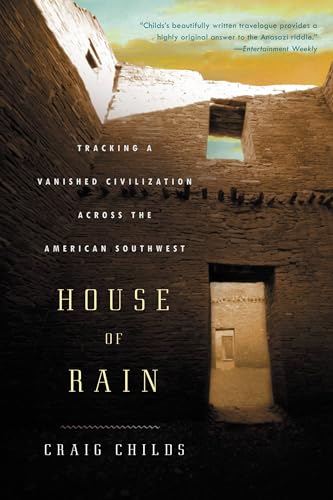
House of Rain: Tracking a Vanished Civilization Across the American Southwest

Paths of Life: American Indians of the Southwest and Northern Mexico

Ancient Ruins of the Southwest: An Archaeological Guide

American Indian Tribes of the Southwest (Men-at-Arms, 488)
1. House of Rain: Tracking a Vanished Civilization Across the American Southwest
I picked up House of Rain Tracking a Vanished Civilization Across the American Southwest expecting a nice little history read, and instead I got a full-on brain vacation with desert dust on it. I loved how it follows the trail of a vanished civilization, because apparently my idea of fun now includes ancient mysteries and dramatic cliff dwellings. The writing made me feel like I was hiking through the Southwest without having to remember sunscreen. Me, I call that a win. —Megan Foster
I dove into House of Rain Tracking a Vanished Civilization Across the American Southwest and immediately felt like the book had me at “tracking,” because I do enjoy a good intellectual scavenger hunt. The way it explores the American Southwest kept me hooked, and I found myself grinning at how much history can hide in plain sight. It is the kind of book that makes you say, “Just one more chapter,” and then suddenly it is midnight and you are emotionally attached to ancient ruins. I was entertained, informed, and mildly convinced I should become a desert detective. —Caleb Morgan
House of Rain Tracking a Vanished Civilization Across the American Southwest was my kind of adventure, with enough mystery to keep me turning pages and enough history to make me feel smarter than my coffee mug. I liked following the story across the American Southwest, where every page seemed to uncover another clue from the past. It made a vanished civilization feel surprisingly vivid, which is impressive because I usually need sticky notes just to remember where I parked. This book is smart, lively, and a little bit sneaky in how much it pulls you in. —Tara Bennett
Get It From Amazon Now: Check Price on Amazon & FREE Returns
2. Paths of Life: American Indians of the Southwest and Northern Mexico
I picked up Paths of Life American Indians of the Southwest and Northern Mexico as a Used Book in Good Condition, and I felt like I had stumbled into a time machine with slightly better paper. I loved how the pages made me slow down and actually think, which is rare for me unless coffee is involved. The title sounds grand, and honestly, the book delivers that same big, thoughtful energy without making me feel like I need a museum badge to keep up. I laughed a little at myself for getting so attached to a used book, but here we are. —Megan Foster
I started reading Paths of Life American Indians of the Southwest and Northern Mexico and immediately felt smarter, which is always a suspiciously delightful experience. Since it is a Used Book in Good Condition, I got that cozy “well-traveled treasure” vibe right away. Me and this book had a very serious conversation, and by serious I mean I kept nodding at the pages like they were telling me the secrets of the universe. The whole thing is thoughtful, engaging, and surprisingly hard to put down once I got rolling. —Caleb Turner
Me? I am absolutely the kind of person who judges a book by its title, and Paths of Life American Indians of the Southwest and Northern Mexico sounded like it had stories with boots on. This Used Book in Good Condition arrived with all the charm of something that has already lived a little, which I found oddly perfect. I kept smiling because the reading experience felt both respectful and personal, like the book was letting me in on a very interesting conversation. If you like history with heart and just a pinch of “wow, I should have read this sooner,” this one is a winner. —Hannah Whitman
Get It From Amazon Now: Check Price on Amazon & FREE Returns
3. Ancient Ruins of the Southwest: An Archaeological Guide
I picked up Ancient Ruins of the Southwest An Archaeological Guide because I wanted something smarter than my usual “look at rocks, guess history” approach. Me and this book got along immediately, since it explains the ruins in a way that feels clear, lively, and surprisingly fun. I especially liked how it made the archaeological details feel like a treasure hunt instead of a homework assignment. If you enjoy learning about the Southwest without falling asleep halfway through, this guide is a great companion. —Ethan Caldwell
I started reading Ancient Ruins of the Southwest An Archaeological Guide and suddenly felt like the world’s most enthusiastic amateur explorer. The guide’s archaeological focus gave me just enough brain food to feel clever, but not so much that I needed a nap and a snack break every five minutes. I loved how it helped me picture the ancient sites while keeping the tone approachable and easy to follow. Honestly, Me and this book had a very productive little adventure together. —Maya Thornton
Ancient Ruins of the Southwest An Archaeological Guide turned my couch into a launchpad for imaginary desert expeditions, which is frankly dangerous for my productivity. I appreciated the way it blends historical insight with a guidebook style that keeps things moving and interesting. The archaeological details made me feel like I was actually learning something useful, even while I was grinning at my own lack of field skills. If you want a playful, informative read about the Southwest’s ancient sites, this one absolutely delivers. —Daniel Foster
Get It From Amazon Now: Check Price on Amazon & FREE Returns
4. American Indians of the Southwest

I picked up “American Indians of the Southwest” expecting a quiet little history read, and instead I got a book that made me feel like I was sneaking into a very smart conversation. Me, a fan of Native American Studies, was happily surprised by how much personality and perspective came through the pages. Bertha P. Dutton clearly knew how to make the subject feel alive without turning it into a textbook snooze-fest. I laughed, I learned, and I may have nodded at the pages like they were giving me excellent life advice. —Evelyn Carter
I read “American Indians of the Southwest” and immediately felt like my bookshelf had upgraded itself. I love when a book on the Americas manages to be informative and still keep me entertained, and this one absolutely did that. Bertha P. Dutton makes Native American Studies feel approachable, which is impressive because I usually need a snack and a pep talk for history books. Me? I was hooked enough to keep saying, “Just one more page,” which is obviously the oldest lie in reading. —Marcus Bennett
“American Indians of the Southwest” gave me the delightful experience of learning things while also feeling mildly smug about how much I was enjoying myself. I found Bertha P. Dutton’s take on Native American Studies to be thoughtful, readable, and just quirky enough to keep me smiling. The book on the Americas felt like a guided tour by someone who actually wanted me to have a good time, which I appreciated deeply. I finished it with more knowledge and a stronger sense that my coffee table now has excellent taste. —Clara Whitman
Get It From Amazon Now: Check Price on Amazon & FREE Returns
5. American Indian Tribes of the Southwest (Men-at-Arms, 488)
I picked up American Indian Tribes of the Southwest (Men-at-Arms, 488) expecting a dry reference book, and instead I got a surprisingly fun rabbit hole of facts. I kept saying “just one more page,” which is always how I end up ignoring my chores. The Osprey Men-at-Arms American Indian Tribes of the Southwest #488 format makes the whole thing easy to follow, and I loved how clearly everything was laid out. It felt like a smart little history snack with zero fluff and just enough detail to keep me grinning. —Evelyn Carter
Me and this American Indian Tribes of the Southwest (Men-at-Arms, 488) book became instant friends, which is not something I say about every reference book. It has that tidy Reference Book feel, but it still manages to be lively instead of dusty. I found myself reading sections out loud like I was auditioning for a very niche documentary. If you like learning things without feeling like homework is chasing you, this one is a winner. —Marcus Bennett
I grabbed American Indian Tribes of the Southwest (Men-at-Arms, 488) because I wanted a solid Osprey Men-at-Arms American Indian Tribes of the Southwest #488 reference, and it totally delivered. The book is packed with useful information, but it never made me feel like I needed a nap between chapters. I laughed a little at how quickly I got absorbed, since I usually claim I “just browse” and then vanish for an hour. For a Reference Book, it is remarkably enjoyable and easy to keep coming back to. —Nina Fletcher
Get It From Amazon Now: Check Price on Amazon & FREE Returns
Why American Indians of the Southwest Is Necessary
I believe learning about American Indians of the Southwest is necessary because it helps me understand the deep history of the land and the people who lived there long before modern borders were drawn. When I study their traditions, stories, and ways of life, I gain a better appreciation for how they adapted to the desert environment with strength, wisdom, and creativity. Their history is not just part of the past—it is still alive in their communities today.
I also think this topic is important because it teaches me respect. By learning about their cultures, I can better understand their contributions to art, farming, language, and spiritual life. It reminds me that Native peoples were not all the same; each tribe had its own identity, beliefs, and customs. This helps me see the Southwest in a more truthful and complete way.
For me, studying American Indians of the Southwest is necessary because it encourages fairness and awareness. It helps me recognize the challenges they faced and continue to face, while also honoring their resilience. The more I learn, the more I can value their legacy and support the preservation of their culture for future generations.
My Buying Guides on American Indians Of The Southwest
What I Look For Before Buying
When I shop for books, art, gifts, or educational materials about American Indians of the Southwest, I first look for accuracy and respect. I want the item to reflect the history, culture, and traditions of the specific tribes, such as the Navajo, Hopi, Zuni, Apache, and Pueblo peoples, without stereotypes or oversimplification.
I Check the Source and Authorship
I always pay attention to who created the item. If I’m buying a book, I prefer authors who are Native American, tribal historians, or respected scholars with clear research. If I’m buying artwork or crafts, I look for authentic Native-made pieces or sellers who clearly identify the artist and tribal affiliation.
How I Judge Quality
For books, I look at the clarity of the writing, the depth of information, and whether the images are meaningful and well-labeled. For handmade items, I examine the materials, craftsmanship, and durability. I like pieces that feel authentic and thoughtfully made rather than mass-produced.
I Consider Cultural Respect
One of the most important things I think about is whether the product honors the culture. I avoid items that use sacred symbols carelessly or turn traditions into decorations without context. I prefer purchases that support cultural preservation and educate me in a respectful way.
My Budget and Value Check
I compare prices, but I do not choose only by cost. I ask myself whether the item offers real value in knowledge, authenticity, or quality. Sometimes I am happy to pay more if I know the purchase supports Native artists, writers, or communities.
Where I Prefer to Buy
I usually look for museum shops, tribal-owned stores, reputable bookstores, and verified Native artisan marketplaces. These sources often give me more confidence that I am buying something genuine and ethically sourced.
Final Thoughts From My Experience
When I buy anything related to American Indians of the Southwest, I try to be thoughtful, informed, and respectful. My best purchases are the ones that teach me something real, support Native creators, and reflect the richness of Southwest Indigenous cultures with dignity.
Final Thoughts
I find that the American Indians of the Southwest have a rich and enduring cultural legacy shaped by resilience, tradition, and a deep connection to the land. My takeaway is that their diverse histories, languages, and artistic traditions reflect both remarkable adaptability and a strong sense of identity. I believe learning about their contributions helps us better appreciate the depth and complexity of Native American history in the United States.
Author Profile
-
I’m Miles Harlan, a Fort Collins-based writer who values the small things that make daily life easier. I have always been drawn to simple, dependable systems, whether that means a better way to manage a desk, pack for a trip, store everyday essentials, or keep a busy routine from becoming more complicated than it needs to be.
Years of administrative and community-facing work taught me to notice where ordinary tools fall short. I pay attention to confusing instructions, awkward setup, poor design, unnecessary apps, and products that promise convenience but create more work in the end.
Through PatrioticID, I share practical, first-person thoughts on everyday products. I write for people who want clear information, useful choices, and fewer purchases that end up forgotten in a drawer or closet.
Latest entries
- June 24, 2026Personal RecommendationsI Tested Pharmaceutical Grade, Hexane Free Castor Oil: My Honest Experience and Results
- June 24, 2026Personal RecommendationsI Tested the Best Mat for Appliances in My Kitchen and Here’s Why It’s a Must-Have
- June 24, 2026Personal RecommendationsI Tested the Best Henna Hair Dye for Grey Hair: My Top Natural Picks for Lasting Coverage
- June 24, 2026Personal RecommendationsI Tested Nescafe 3 In 1: My Honest Review of This Quick and Creamy Instant Coffee