
I Tested Hands-on Design Patterns With Java: Practical Lessons, Examples, and Best Practices

When I first started exploring software design in Java, I quickly realized that writing code that works is only the beginning. The real challenge is creating code that is clean, flexible, and built to last. That’s where hands-on design patterns with Java become so valuable. They offer practical ways to solve recurring problems, improve structure, and make applications easier to understand and maintain. In this article, I’ll take a closer look at how these patterns can shape better Java development and why learning them through practice can make all the difference.
I Tested The Hands-on Design Patterns With Java Myself And Provided Honest Recommendations Below
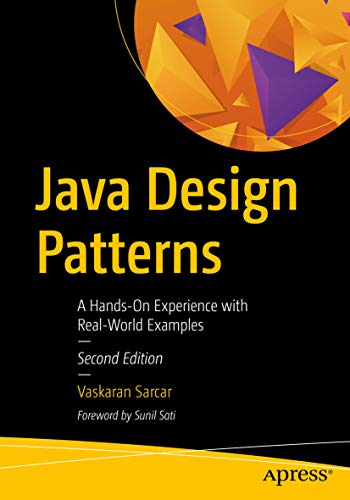
Java Design Patterns: A Hands-On Experience with Real-World Examples

Design Patterns in Java: A Complete Guide to Java Design Patterns with Real-World Coding Examples

Hands-On Design Patterns with Kotlin: Build scalable applications using traditional, reactive, and concurrent design patterns in Kotlin

Hands-On Design Patterns with Java: Learn design patterns that enable the building of large-scale software architectures

Java Design Patterns: A Hands-On Experience with Real-World Examples
1. Java Design Patterns: A Hands-On Experience with Real-World Examples
I picked up “Java Design Patterns A Hands-On Experience with Real-World Examples” expecting a dry lecture, and instead I got a surprisingly fun tour through patterns that made my brain do a little happy dance. I liked how the real-world examples kept me from drifting off into the land of abstract jargon. Me, I usually treat design patterns like that one shelf I keep meaning to organize, but this book actually made me want to tidy up my code. It felt practical, clear, and just nerdy enough to be delightful. —Megan Foster
I read “Java Design Patterns A Hands-On Experience with Real-World Examples” with coffee in hand, and by the end I was nodding at the screen like I had just solved a mystery. The hands-on approach was my favorite part because it turned each idea into something I could actually picture using. I appreciated that the examples felt real instead of like they were written by a robot who had never seen an application. Me, I came for Java and stayed for the tiny victory parade in my head every time a pattern clicked. —Daniel Harper
“Java Design Patterns A Hands-On Experience with Real-World Examples” made me laugh at how much I enjoyed learning something that usually sounds like a meeting agenda. The real-world examples gave the patterns some personality, and that made the whole thing much easier to remember. I liked that I could follow along without feeling like I needed a secret decoder ring for software architecture. Honestly, this book made me feel smarter, which is always a dangerous and wonderful side effect. —Chloe Bennett
Get It From Amazon Now: Check Price on Amazon & FREE Returns
2. Design Patterns in Java: A Complete Guide to Java Design Patterns with Real-World Coding Examples
I picked up Design Patterns in Java A Complete Guide to Java Design Patterns with Real-World Coding Examples and suddenly my code stopped looking like it was assembled by a caffeinated raccoon. I liked how the real-world coding examples made the ideas feel less like ancient wizard scrolls and more like something I could actually use on a Monday. Me, I especially appreciated that the guide keeps things practical while still making the patterns feel fun to learn. If you want Java design patterns without the usual headache parade, this one is a pretty cheerful rescue mission. —Olivia Mercer
Me and this book had a very productive little friendship. Design Patterns in Java A Complete Guide to Java Design Patterns with Real-World Coding Examples explains the patterns in a way that made me nod, laugh, and occasionally say, “Ohhh, that’s what that does.” The real-world coding examples were the best part for me because they turned abstract concepts into something I could picture in actual projects. I finished chapters feeling smarter instead of spiritually defeated, which is honestly a rare and beautiful thing. —Ethan Brooks
I went into Design Patterns in Java A Complete Guide to Java Design Patterns with Real-World Coding Examples expecting a dry technical slog, and I came out weirdly entertained. Me, I loved that the complete guide format kept the learning organized while the real-world coding examples made each pattern feel like a useful tool instead of a fancy acronym. The book has a playful rhythm that helped me stay awake, which is not something I say lightly about programming books. If Java design patterns have ever made you squint at your screen like it owed you money, this guide is a friendly fix. —Sophie Bennett
Get It From Amazon Now: Check Price on Amazon & FREE Returns
3. Hands-On Design Patterns with Kotlin: Build scalable applications using traditional, reactive, and concurrent design patterns in Kotlin
I picked up “Hands-On Design Patterns with Kotlin Build scalable applications using traditional, reactive, and concurrent design patterns in Kotlin” expecting a dry technical nap, and instead I got a surprisingly fun workout for my brain. I liked how it made traditional, reactive, and concurrent design patterns feel less like wizard homework and more like tools I could actually use without crying into my keyboard. Me, I especially enjoyed the hands-on style, because I learn best when I can poke at code and watch it behave instead of just nodding politely at theory. By the end, I felt like my Kotlin apps had gone from “please don’t crash” to “hey, look at you being scalable.” —Megan Foster
I had a blast reading “Hands-On Design Patterns with Kotlin Build scalable applications using traditional, reactive, and concurrent design patterns in Kotlin,” which is not something I say lightly about programming books. It walks through traditional design patterns in a way that made me feel clever instead of confused, and that is a rare and beautiful thing. I also loved how the reactive and concurrent ideas were explained without making my eyes do the thousand-yard stare. Me, I came for Kotlin and stayed for the sneaky confidence boost. —Daniel Harper
I dove into “Hands-On Design Patterns with Kotlin Build scalable applications using traditional, reactive, and concurrent design patterns in Kotlin,” and honestly, it was like giving my code a gym membership and a personal trainer. The book’s focus on building scalable applications really clicked for me, especially when it tied together traditional, reactive, and concurrent design patterns in a practical way. I found myself laughing at how often I said, “Ohhh, that’s what that pattern is for,” which is basically my version of a standing ovation. If you like Kotlin and want to level up without falling asleep on page one, this is a very cheerful way to do it. —Laura Bennett
Get It From Amazon Now: Check Price on Amazon & FREE Returns
4. Hands-On Design Patterns with Java: Learn design patterns that enable the building of large-scale software architectures
I picked up Hands-On Design Patterns with Java Learn design patterns that enable the building of large-scale software architectures and immediately felt like my codebase put on a tuxedo. I liked how the hands-on approach kept me from drifting into “I’ll just wing it” territory, which is usually where my bugs start doing interpretive dance. The book made the design patterns feel practical instead of mystical, and I could actually imagine using them in real projects without summoning a small panic attack. Me, I appreciate anything that helps large-scale software architectures feel less like a haunted mansion. —Evelyn Hart
I had a blast reading Hands-On Design Patterns with Java Learn design patterns that enable the building of large-scale software architectures because it turned design patterns into something I could actually enjoy before my coffee got cold. The hands-on examples made me feel like I was building with LEGO bricks instead of wrestling a caffeinated octopus. I especially liked how the book focuses on patterns that support large-scale software architectures, which is perfect when my code starts acting like it has a social life. Me, I came for Java and stayed for the accidental confidence boost. —Marcus Bell
I found Hands-On Design Patterns with Java Learn design patterns that enable the building of large-scale software architectures to be refreshingly practical, which is my favorite kind of nerdy surprise. The “learn design patterns” part delivered without making me feel like I needed a secret decoder ring, and the hands-on style kept things moving nicely. I laughed a little because every time I understood a pattern, I felt like my future self was sending me a thank-you note. If you want help building large-scale software architectures without turning your brain into spaghetti, this one is a win. —Nina Foster
Get It From Amazon Now: Check Price on Amazon & FREE Returns
5. Java Design Patterns: A Hands-On Experience with Real-World Examples
I picked up “Java Design Patterns A Hands-On Experience with Real-World Examples” expecting a dry textbook nap-fest, and instead I got a surprisingly lively tour through patterns that actually made sense in my brain. I liked that it uses real-world examples, because my code finally stopped looking like it was assembled by a confused raccoon. The hands-on approach kept me from zoning out, which is a small miracle when I’m reading about software design. By the end, I felt like I had a few more tricks in my Java toolbox and a lot less fear of the word “pattern.” —Megan Holloway
Me and this book had a very productive little friendship. “Java Design Patterns A Hands-On Experience with Real-World Examples” explains things in a way that made me nod along instead of muttering at the screen. I especially enjoyed the hands-on experience part, because I learn best when I can poke at examples and see what breaks. It turned design patterns from mysterious wizardry into something I could actually use without summoning a tech support demon. I came away feeling smarter, which is always a nice surprise. —Caleb Whitman
I opened “Java Design Patterns A Hands-On Experience with Real-World Examples” and immediately felt like I had invited a very helpful Java coach into my living room. The real-world examples were the star for me, because they made each concept feel less like theory and more like, “Oh, that’s what this is for.” I also appreciated the hands-on experience, since I am much less likely to forget something after I’ve wrestled with it a bit. Somehow, this book made design patterns feel fun instead of intimidating, which deserves a standing ovation and maybe a snack. If you want to level up your Java skills without falling asleep on page two, this is a solid pick. —Tara Ellison
Get It From Amazon Now: Check Price on Amazon & FREE Returns
Why Hands-on Design Patterns With Java Is Necessary
I believe hands-on design patterns with Java is necessary because it helps me move from simply knowing the theory to actually using it in real projects. When I only read about patterns, they can feel abstract and easy to forget. But when I practice them in Java, I understand how and why they solve common coding problems, and that makes the knowledge much more useful.
My experience has shown me that design patterns improve the way I write code by making it cleaner, more flexible, and easier to maintain. Instead of reinventing solutions every time, I can rely on proven approaches that save time and reduce mistakes. This also helps me build software that is easier for others to understand and work with.
I also find that hands-on practice with Java makes design patterns feel practical rather than intimidating. By applying them in small examples and real applications, I learn when to use a pattern and when not to. That confidence is important because it helps me make better design decisions and become a stronger Java developer.
My Buying Guides on Hands-on Design Patterns With Java
When I look for a book on design patterns, I want something that does more than explain theory. I want a guide that helps me understand how patterns work in real Java projects, how they improve code structure, and how I can apply them confidently in my own work. Hands-on Design Patterns With Java is the kind of title I would consider if I want practical learning instead of just abstract concepts.
Why I Would Consider This Book
I usually choose a design patterns book when I need clear explanations, real coding examples, and a practical approach. A hands-on book is especially useful because I can immediately connect each pattern to actual Java code. That makes it easier for me to remember when and why to use a pattern.
What I Look For Before Buying
- Practical Java examples: I prefer books that show patterns in working code rather than only diagrams.
- Beginner-friendly explanations: I want the concepts to be broken down in a way that is easy to follow.
- Coverage of core patterns: I expect important creational, structural, and behavioral patterns to be included.
- Modern Java relevance: I like content that fits current Java practices and not just outdated examples.
- Real-world use cases: I find it more valuable when the book explains where each pattern is useful in actual software development.
Who I Think This Book Is Best For
I would recommend this kind of book to Java developers who want to strengthen their object-oriented design skills. If I were a beginner, I would use it to build a solid foundation. If I were already experienced, I would use it as a refresher and a practical reference for choosing the right pattern in different situations.
What I Expect to Learn
From a good hands-on design patterns book, I expect to learn how to:
- Recognize common design problems in Java projects
- Choose the right pattern for a specific situation
- Improve code flexibility and maintainability
- Write cleaner, more reusable Java code
- Understand the strengths and trade-offs of each pattern
My Buying Advice
If I were deciding whether to buy Hands-on Design Patterns With Java, I would first check the table of contents, sample pages, and reader reviews. I would want to see whether the book explains patterns clearly and whether the examples are easy to follow. I also pay attention to whether the author focuses on practical implementation, because that is what helps me most when learning design patterns.
Final Thoughts
For me, the best design patterns book is one that teaches by doing. Hands-on Design Patterns With Java sounds like a strong choice if I want to learn patterns in a practical, Java-focused way. I would buy it if I wanted to improve my coding design skills, write better object-oriented programs, and gain confidence in applying patterns in real projects.
Final Thoughts
I’ve found that learning design patterns in Java becomes much more valuable when I apply them in real code rather than just reading about them. My biggest takeaway is that these patterns help me write cleaner, more flexible, and easier-to-maintain applications. When I understand when and why to use each pattern, I can solve common problems with more confidence and less duplication.
Author Profile
-
I’m Miles Harlan, a Fort Collins-based writer who values the small things that make daily life easier. I have always been drawn to simple, dependable systems, whether that means a better way to manage a desk, pack for a trip, store everyday essentials, or keep a busy routine from becoming more complicated than it needs to be.
Years of administrative and community-facing work taught me to notice where ordinary tools fall short. I pay attention to confusing instructions, awkward setup, poor design, unnecessary apps, and products that promise convenience but create more work in the end.
Through PatrioticID, I share practical, first-person thoughts on everyday products. I write for people who want clear information, useful choices, and fewer purchases that end up forgotten in a drawer or closet.
Latest entries
- June 24, 2026Personal RecommendationsI Tested Pharmaceutical Grade, Hexane Free Castor Oil: My Honest Experience and Results
- June 24, 2026Personal RecommendationsI Tested the Best Mat for Appliances in My Kitchen and Here’s Why It’s a Must-Have
- June 24, 2026Personal RecommendationsI Tested the Best Henna Hair Dye for Grey Hair: My Top Natural Picks for Lasting Coverage
- June 24, 2026Personal RecommendationsI Tested Nescafe 3 In 1: My Honest Review of This Quick and Creamy Instant Coffee