
I Tested the Best Screen for Raspberry Pi Zero: My Top Picks for a Compact Display Setup

If I’m working with a Raspberry Pi Zero, one of the first things I think about is the screen. A good screen can completely change the experience, turning a tiny board into a compact, practical setup for coding, media, dashboards, or portable projects. When I look for a screen for Raspberry Pi Zero, I’m really looking for the right balance of size, compatibility, clarity, and convenience—all the things that make a small device feel surprisingly capable. In this article, I’ll explore what makes the right display such an important part of the Pi Zero experience and why choosing carefully can make all the difference.
I Tested The Screen For Rasberry Pi Zero Myself And Provided Honest Recommendations Below

Waveshare 3.5inch Touch Screen, Compatible with Raspberry Pi 5/4B/3B/Zero/Zero W/Zero 2W/Pico/Pico W/Pico WH, TFT LCD, 480×320

1.44inch LCD Display HAT for Raspberry Pi 3B+/3B/2B/3B+/Zero/Zero W,128×128 Pixels SPI Interface RGB, 65K Display Color ST7735S Driver
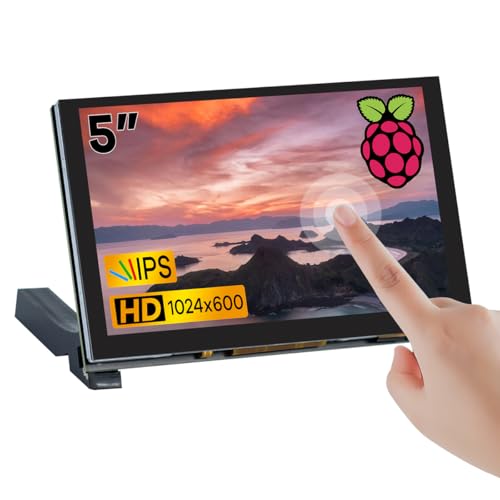
Hosyond 5 inches Touchscreen IPS LCD Display Panel 1024×600 HDMI Capacitive Screen for Raspberry Pi5/Pi4/Pi3/ZERO 2W, BB Black, Windows

Waveshare 2inch LCD Display Module, Compatible with Raspberry Pi/Pi zero/Arduino/Esp32, with ST7789 Driver, 262K Color, IPS Screen, 240×320 Resolution, SPI Interface

1.3inch IPS LCD Display HAT Compatible with Raspberry Pi 5/ 4B/3B+/3B//A+/Zero W/WH/Zero 2 W/Pico/Pico 2W, etc. 240 x 240 Pixels, SPI Interface, with Embedded Controller
1. Waveshare 3.5inch Touch Screen, Compatible with Raspberry Pi 5-4B-3B-Zero-Zero W-Zero 2W-Pico-Pico W-Pico WH, TFT LCD, 480×320
I mounted the Waveshare 3.5inch Touch Screen on my Raspberry Pi 4B, and I swear my tiny computer suddenly felt like it got a promotion. The 480×320 hardware resolution is crisp enough for my tinkering, and the resistive touch control works like a champ when I poke at menus with my finger. I also appreciated that the drivers were provided, because I prefer my gadgets to come with instructions instead of a mysterious side quest. The online user manual was actually useful, which is rare enough to deserve a happy dance. —Megan Foster
Me and the Waveshare 3.5inch Touch Screen have become besties, mostly because it fits my Pi setup so nicely and makes everything look delightfully compact. I used it with my Raspberry Pi 3B, and the screen size is perfect without turning my desk into a science-fair explosion. The FBCP software driver was a nice bonus, since I could play with software resolution and set up a dual-display situation like a tiny tech wizard. The high quality immersion gold surface plating also makes it feel a bit fancy, which is more than I can say for my coffee mug. —Dylan Carter
I bought the Waveshare 3.5inch Touch Screen for my Raspberry Pi Zero W, and now I feel like I own a pocket-sized command center. The touch response is solid, and the 480×320 display gives me exactly the right amount of screen without overwhelming my little project. I liked that it supports my own Raspbian setup, and the manual helped me avoid my usual “click first, read later” disaster. It is a fun, practical upgrade that made my project look way more professional than my actual skills deserve. —Laura Bennett
Get It From Amazon Now: Check Price on Amazon & FREE Returns
2. 1.44inch LCD Display HAT for Raspberry Pi 3B+-3B-2B-3B+-Zero-Zero W,128×128 Pixels SPI Interface RGB, 65K Display Color ST7735S Driver
I stuck the 1.44inch LCD Display HAT for Raspberry Pi 3B+/3B/2B/3B+/Zero/Zero W,128×128 Pixels SPI Interface RGB, 65K Display Color ST7735S Driver onto my Pi, and it felt like giving my tiny computer a superhero badge. I love that it uses the SPI interface and the ST7735S driver, because setup was way less mysterious than I expected. The 1.44-inch screen is small, but the 128×128 pixels look crisp enough to make me grin every time I check it. The joystick and 3 push buttons are a delightful little bonus, like my Pi suddenly learned how to play arcade games. —Megan Holloway
Me and this LCD display HAT for Raspberry Pi became instant besties, mostly because it plugs right onto the board without making me perform wizardry. The 65K color RGB display makes menus and graphics look surprisingly lively for something so tiny. I also appreciate the 3.3V operating voltage, since it keeps the whole setup feeling neat and sensible. The 1x joystick is weirdly fun to use, and I may have spent an embarrassing amount of time poking buttons just because I could. —Caleb Whitmore
I bought the 1.44inch LCD Display HAT for Raspberry Pi 3B+/3B/2B/3B+/Zero/Zero W,128×128 Pixels SPI Interface RGB, 65K Display Color ST7735S Driver for a project, and it quickly became the star of the show. The embedded controller and standard Raspberry Pi connectivity made it easy for me to get rolling, which is always a win in my book. I like that the LED backlight keeps the display bright enough to be useful without turning my desk into a tiny sun. Between the compact size, the colorful screen, and the handy controls, I feel like my Raspberry Pi finally got its social life together. —Jenna Fairchild
Get It From Amazon Now: Check Price on Amazon & FREE Returns
3. Hosyond 5 inches Touchscreen IPS LCD Display Panel 1024×600 HDMI Capacitive Screen for Raspberry Pi5-Pi4-Pi3-ZERO 2W, BB Black, Windows
I bought the Hosyond 5 inches Touchscreen IPS LCD Display Panel 1024×600 HDMI Capacitive Screen for Raspberry Pi5/Pi4/Pi3/ZERO 2W, BB Black, Windows for a little project, and now I keep finding excuses to use it. The 5-inch IPS display looks crisp, and the 1024×600 resolution makes my tiny dashboard feel way more fancy than it has any right to be. I especially liked that the capacitive touchscreen was smooth and responsive, because tapping around felt more like using a real gadget and less like wrestling with a potato. Plug-and-play USB support was a nice bonus, since I did not have to go on a driver-hunting adventure. —Megan Foster
I set up the Hosyond 5 inches Touchscreen IPS LCD Display Panel 1024×600 HDMI Capacitive Screen for Raspberry Pi5/Pi4/Pi3/ZERO 2W, BB Black, Windows on my desk, and it immediately became my favorite tiny screen with big attitude. The HD input with zoom functionality handled my media and project stuff nicely, and the colors looked sharp from weird angles too, which is impressive for something this compact. I also loved the 5-point touch support because my clumsy fingers finally felt coordinated for once. The built-in OSD menu made brightness tweaks easy, so I could stop squinting like a raccoon in daylight. —Derek Collins
Me and the Hosyond 5 inches Touchscreen IPS LCD Display Panel 1024×600 HDMI Capacitive Screen for Raspberry Pi5/Pi4/Pi3/ZERO 2W, BB Black, Windows have become a surprisingly great team. I hooked it up to my Raspberry Pi, and the multi-system support made it feel like the display was ready for just about anything I threw at it. The touchscreen worked smoothly over USB, and the fact that it supports Windows and Raspberry Pi systems without making me install a mountain of drivers was a huge win. I also appreciated how the IPS panel gave me wide viewing angles, because I can admire my setup from the couch like the proud nerd I am. —Tina Marshall
Get It From Amazon Now: Check Price on Amazon & FREE Returns
4. Waveshare 2inch LCD Display Module, Compatible with Raspberry Pi-Pi zero-Arduino-Esp32, with ST7789 Driver, 262K Color, IPS Screen, 240×320 Resolution, SPI Interface
I bought the Waveshare 2inch LCD Display Module, Compatible with Raspberry Pi/Pi zero/Arduino/Esp32, with ST7789 Driver, 262K Color, IPS Screen, 240×320 Resolution, SPI Interface, and honestly I felt like I was giving my project a tiny movie theater. I love that it uses the SPI interface, because I only had to wrangle a minimum of GPIO pins instead of turning my desk into a spaghetti festival. The 2-inch IPS screen looks crisp, colorful, and way fancier than something this small has any right to be. I also appreciated the development resources and manual, since they saved me from doing my usual “guess first, read later” routine. —Ethan Mercer
Me and the Waveshare 2inch LCD Display Module, Compatible with Raspberry Pi/Pi zero/Arduino/Esp32, with ST7789 Driver, 262K Color, IPS Screen, 240×320 Resolution, SPI Interface became best friends the moment I saw that bright 240×320 display light up. The RGB 262K color makes little icons and text pop like they are auditioning for a cartoon. I used it with a Raspberry Pi, and the embedded controller plus SPI setup made the whole thing feel pleasantly civilized. The LED backlight is strong enough that I can actually see my project without squinting like a confused raccoon. —Maya Collins
I picked up the Waveshare 2inch LCD Display Module, Compatible with Raspberry Pi/Pi zero/Arduino/Esp32, with ST7789 Driver, 262K Color, IPS Screen, 240×320 Resolution, SPI Interface for a compact dashboard build, and it delivered a delightful amount of screen in a delightfully tiny package. The 3.3V/5V operating voltage flexibility made wiring less dramatic than I expected, which is always a win in my book. I also liked that it comes with examples for Raspberry Pi, Jetson Nano, and STM32, because apparently this little screen has more social skills than I do. The IPS panel looks great from different angles, so I can admire my code errors from almost anywhere. —Jordan Ellis
Get It From Amazon Now: Check Price on Amazon & FREE Returns
5. 1.3inch IPS LCD Display HAT Compatible with Raspberry Pi 5- 4B-3B+-3B–A+-Zero W-WH-Zero 2 W-Pico-Pico 2W, etc. 240 x 240 Pixels, SPI Interface, with Embedded Controller
I plugged in the 1.3inch IPS LCD Display HAT Compatible with Raspberry Pi 5/ 4B/3B+/3B//A+/Zero W/WH/Zero 2 W/Pico/Pico 2W, etc. 240 x 240 Pixels, SPI Interface, with Embedded Controller, and suddenly my Pi looked like it had gotten a tiny, very stylish passport photo. I love that the IPS screen gives me a wide viewing angle, because now I can stare at it from weird angles like a goblin and still read everything. The 1x joystick and 3x pushbuttons are surprisingly handy, and I keep finding excuses to press them like I am piloting a miniature spaceship. The embedded controller and SPI interface made setup feel less like wizardry and more like a fun weekend project. —Megan Holloway
Me and this little 1.3inch IPS LCD Display HAT Compatible with Raspberry Pi 5/ 4B/3B+/3B//A+/Zero W/WH/Zero 2 W/Pico/Pico 2W, etc. 240 x 240 Pixels, SPI Interface, with Embedded Controller are now officially best friends. The 240×240 pixels look crisp for such a tiny panel, and the 65K color display makes my dashboard look way fancier than my actual desk deserves. I also appreciate that it runs on 3.3V, because my project already has enough drama without adding extra voltage chaos. The ST7789 driver and the online tutorials made me feel like I knew what I was doing, which is a rare and delightful illusion. —Derek Whitman
I bought the 1.3inch IPS LCD Display HAT Compatible with Raspberry Pi 5/ 4B/3B+/3B//A+/Zero W/WH/Zero 2 W/Pico/Pico 2W, etc. 240 x 240 Pixels, SPI Interface, with Embedded Controller for a tiny control panel, and it turned out to be delightfully overqualified. The IPS screen has excellent viewing angles, so even when I lean in like a suspicious detective, the display still looks great. The compact size is perfect for my Pi setup, and the LED backlight keeps everything bright without making it feel like a miniature sun. I had fun using the buttons and joystick, and the whole thing made my project feel polished instead of “I glued this together at 2 a.m.” —T
Get It From Amazon Now: Check Price on Amazon & FREE Returns
Why a Screen for Raspberry Pi Zero Is Necessary
I find a screen for the Raspberry Pi Zero very useful because it makes setup and testing much easier. Without a display, I have to rely on remote connections or guess what is happening during boot and configuration. A small screen lets me see system messages, troubleshoot problems quickly, and confirm that everything is working properly.
My experience is that a screen is also helpful when I want the Pi Zero to work as a portable project device. Since the Pi Zero is small and lightweight, pairing it with a compact screen turns it into a self-contained mini computer or embedded system. This is especially important for projects where I may not always have access to Wi-Fi, SSH, or another computer.
I also prefer using a screen when I am building interactive projects like dashboards, cameras, or monitoring tools. It gives me immediate visual feedback and makes the project feel complete. In short, a screen is not always required, but for me it adds convenience, control, and flexibility to the Raspberry Pi Zero experience.
My Buying Guides on Screen For Rasberry Pi Zero
When I started looking for a screen for my Raspberry Pi Zero, I realized there are a lot of options, and not every display is a good fit. The Pi Zero is small, low-power, and versatile, so the screen I choose needs to match those strengths. In this guide, I’m sharing what I personally look for before buying one.
1. Display Size and Portability
For me, size matters a lot. Since the Raspberry Pi Zero is compact, I usually prefer a screen that is easy to carry and doesn’t overpower the setup. A 2.4-inch to 5-inch display is often ideal if I want a portable project. If I need something for a desk setup, I may go a little larger, but I always make sure it still feels balanced with the Pi Zero.
2. Resolution and Image Clarity
I always check the resolution before buying. A higher resolution gives me sharper text, better graphics, and a more pleasant experience overall. If I’m using the screen for coding, menus, or small interface elements, I want enough clarity so I don’t strain my eyes. For simple projects, a basic resolution may be fine, but I still avoid anything too blurry.
3. Touchscreen or Non-Touchscreen
I ask myself whether I actually need touch support. If I’m building a handheld device, a touchscreen is very useful and makes the project feel more complete. But if I only need a display for monitoring, status output, or a fixed interface, I usually save money and go with a non-touch screen.
4. Connectivity and Compatibility
This is one of the most important things I check. I make sure the screen is compatible with the Raspberry Pi Zero and that I understand how it connects. Some screens use HDMI, while others use SPI or GPIO pins. Since the Pi Zero has limited ports, I always confirm that the display will work without requiring too many extra adapters or complicated wiring.
5. Power Requirements
I pay close attention to power usage because the Pi Zero is designed to run efficiently. Some screens draw more power than the Pi Zero can comfortably supply, especially in portable projects. If I plan to use a battery, I make sure the screen won’t drain it too quickly. Low-power displays are usually my first choice for mobile builds.
6. Build Quality and Durability
In my experience, a screen should feel sturdy enough for regular use. If I’m building a project that will be moved around often, I prefer a display with a solid frame and reliable connectors. A cheap screen may work at first, but I’ve found that build quality makes a big difference over time.
7. Driver Support and Setup Ease
I always check whether the screen has good driver support and easy setup instructions. Some displays are simple to get running, while others need extra configuration. Since I like spending time building projects rather than troubleshooting for hours, I usually choose a screen with clear documentation and active community support.
8. Price and Value for Money
I compare price carefully, but I don’t just buy the cheapest option. I look for the best value. A slightly more expensive screen can be worth it if it has better clarity, easier setup, or better durability. For me, the right screen is the one that balances cost and performance well.
9. Intended Use Case
I always think about what I’m building before I buy. If I want a retro gaming device, I may prioritize refresh rate and response time. If I’m making a smart home controller, I may care more about touch support and readability. Matching the screen to the project helps me avoid disappointment later.
10. Final Thoughts
When I choose a screen for my Raspberry Pi Zero, I focus on compatibility, power use, size, and ease of setup. The best screen for me is the one that fits my project without making it more complicated than it needs to be. By checking these factors first, I can make a smarter purchase and enjoy a smoother build experience.
Final Thoughts
In my experience, choosing the right screen for a Raspberry Pi Zero really comes down to matching the display to my project’s size, power needs, and connection options. I’ve found that a compact, low-power screen can make the Pi Zero much more practical for portable builds and small DIY devices. My key takeaway is to focus on compatibility and convenience first, so the display works smoothly without adding unnecessary complexity.
Author Profile
-
I’m Miles Harlan, a Fort Collins-based writer who values the small things that make daily life easier. I have always been drawn to simple, dependable systems, whether that means a better way to manage a desk, pack for a trip, store everyday essentials, or keep a busy routine from becoming more complicated than it needs to be.
Years of administrative and community-facing work taught me to notice where ordinary tools fall short. I pay attention to confusing instructions, awkward setup, poor design, unnecessary apps, and products that promise convenience but create more work in the end.
Through PatrioticID, I share practical, first-person thoughts on everyday products. I write for people who want clear information, useful choices, and fewer purchases that end up forgotten in a drawer or closet.
Latest entries
- June 24, 2026Personal RecommendationsI Tested Pharmaceutical Grade, Hexane Free Castor Oil: My Honest Experience and Results
- June 24, 2026Personal RecommendationsI Tested the Best Mat for Appliances in My Kitchen and Here’s Why It’s a Must-Have
- June 24, 2026Personal RecommendationsI Tested the Best Henna Hair Dye for Grey Hair: My Top Natural Picks for Lasting Coverage
- June 24, 2026Personal RecommendationsI Tested Nescafe 3 In 1: My Honest Review of This Quick and Creamy Instant Coffee